How a Septic System Works: A Simple Explanation
The Short Answer:
Your septic system works in three simple steps. First, wastewater flows from your house into a watertight tank. Second, the tank separates solids (which sink) from liquids (which float). Third, the liquid flows out into a drain field where the soil naturally filters it. The solids stay behind and must be pumped out regularly.
The 3 Main Components of Your System
Think of your septic system as a personal, on-site water treatment plant. It doesn't need electricity; it runs on gravity and good bacteria. Understanding how it works is the best way to save money on repairs later.
1. The Inlet Pipe
Every time you flush a toilet, run the washing machine, or empty a sink in your home, the water travels through one main pipe into the septic tank. This pipe needs to have a proper slope to ensure everything keeps moving efficiently.
2. The Septic Tank (The Separator)
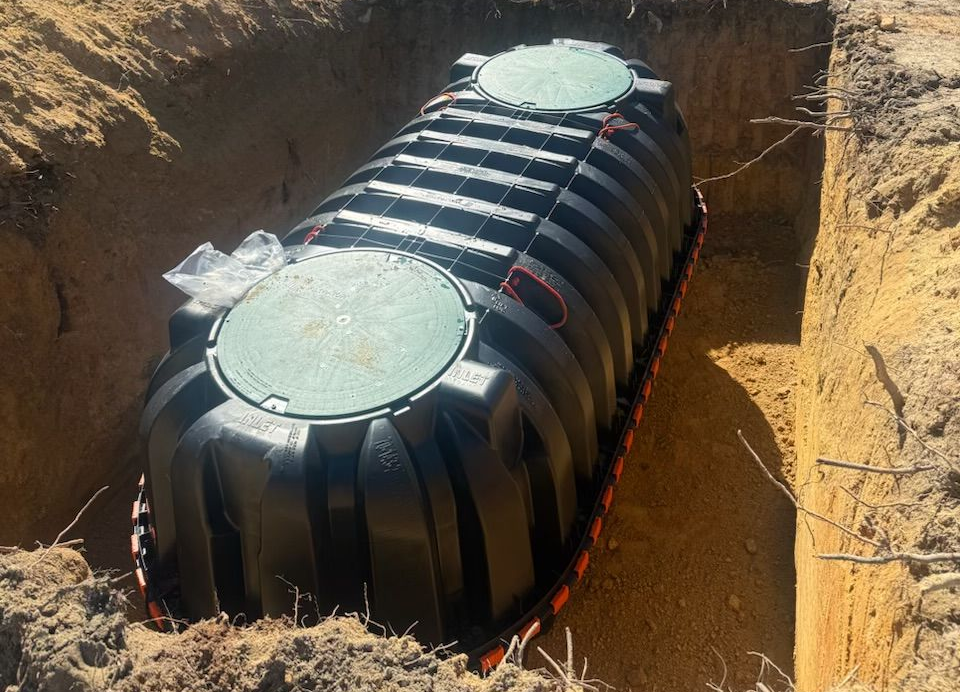
This is where the work happens. The tank is usually made of concrete or fiberglass and is buried underground. Its main job is to hold the wastewater long enough for it to separate into three distinct layers:
- The Bottom Layer (Sludge): Heavy solids sink to the bottom. Bacteria break some of this down, but the rest builds up until we pump it out.
- The Top Layer (Scum): Greases, oils, and lighter solids float to the top.
- The Middle Layer (Effluent): This is the clearer liquid that sits between the sludge and scum. This is the only part that should ever leave the tank.
3. The Drain Field (The Filter)
When new water enters the tank, it pushes the "Middle Layer" (effluent) out through an exit pipe. This water flows into a series of perforated pipes buried in your yard, known as the drain field. The soil acts as a biological filter, removing harmful bacteria and viruses before the water rejoins the groundwater.
Why This Matters to Your Wallet
If you don't pump the tank, the "Bottom Layer" (sludge) gets too high. If it reaches the exit pipe, sludge flows into your drain field. This is catastrophic. It clogs the soil, stops the water from filtering, and causes sewage to back up into your yard or house.
Keeping Your System Healthy
Now that you know how the system flows, you can see why maintenance is non-negotiable. The biology of the tank works perfectly on its own, but it cannot get rid of the sludge forever. If it has been a few years since your last service, or if you are new to septic ownership, give us a call at JP Septics. We will help you keep that flow moving exactly how it should.
Is Your Tank Due for a Check-up?
If you aren't sure when the last time your tank was pumped, don't risk a backup. We serve all of York County.
Book a Service Today
You might also like